
Lime versus cement mortar
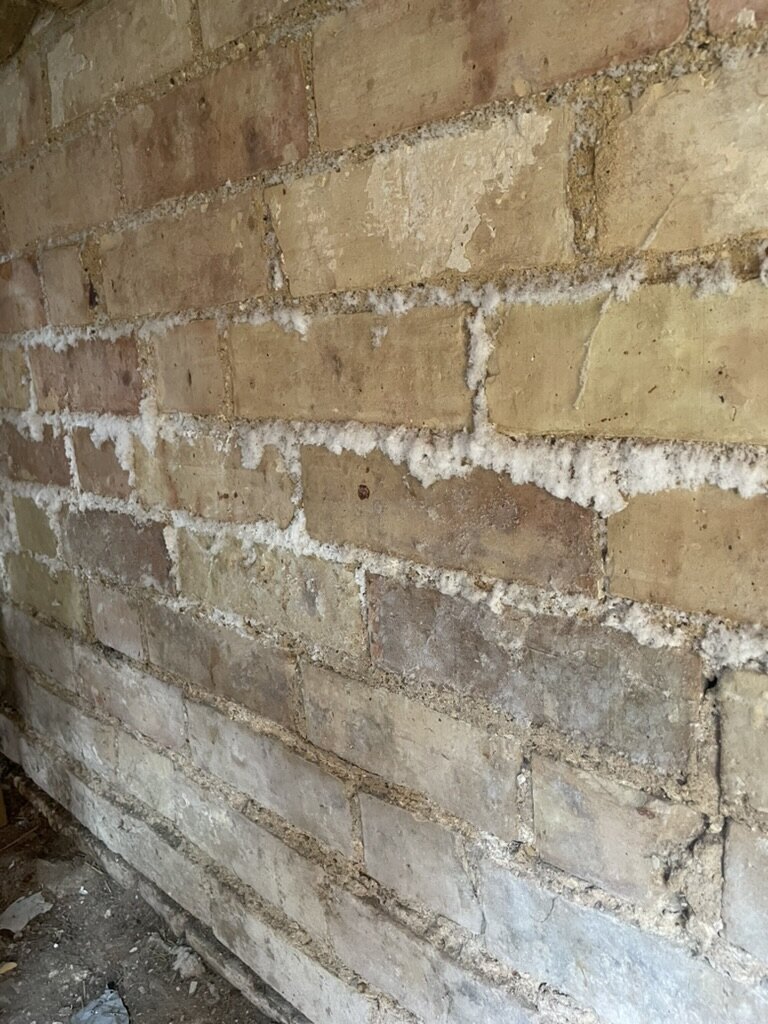
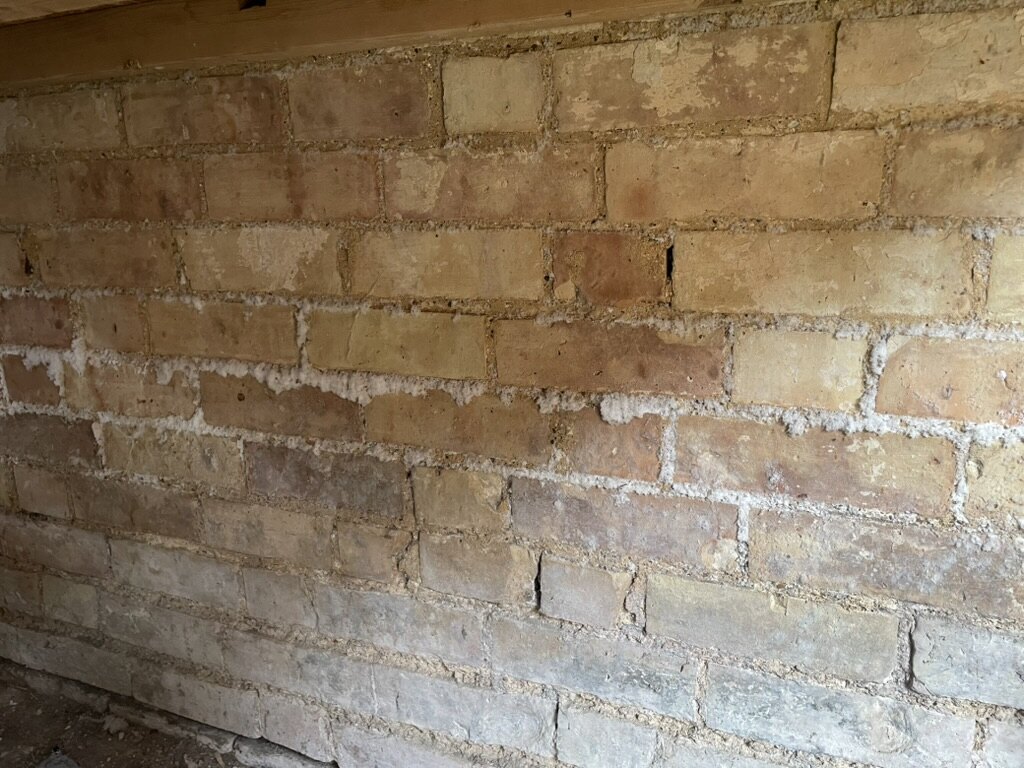
Sacrificial lime
When moisture from wet ground enters the base of a wall, capillary action draws it upwards through tiny pores in the bricks and mortar. A suitable lime mortar helps the wall dry by allowing moisture to evaporate through the joints.
When salts crystallise on the surface, they leave a white deposit called efflorescence. Lime joints are designed to weather first. Repointing those joints as they wear helps protect the original bricks. That’s why lime mortar is called sacrificial.
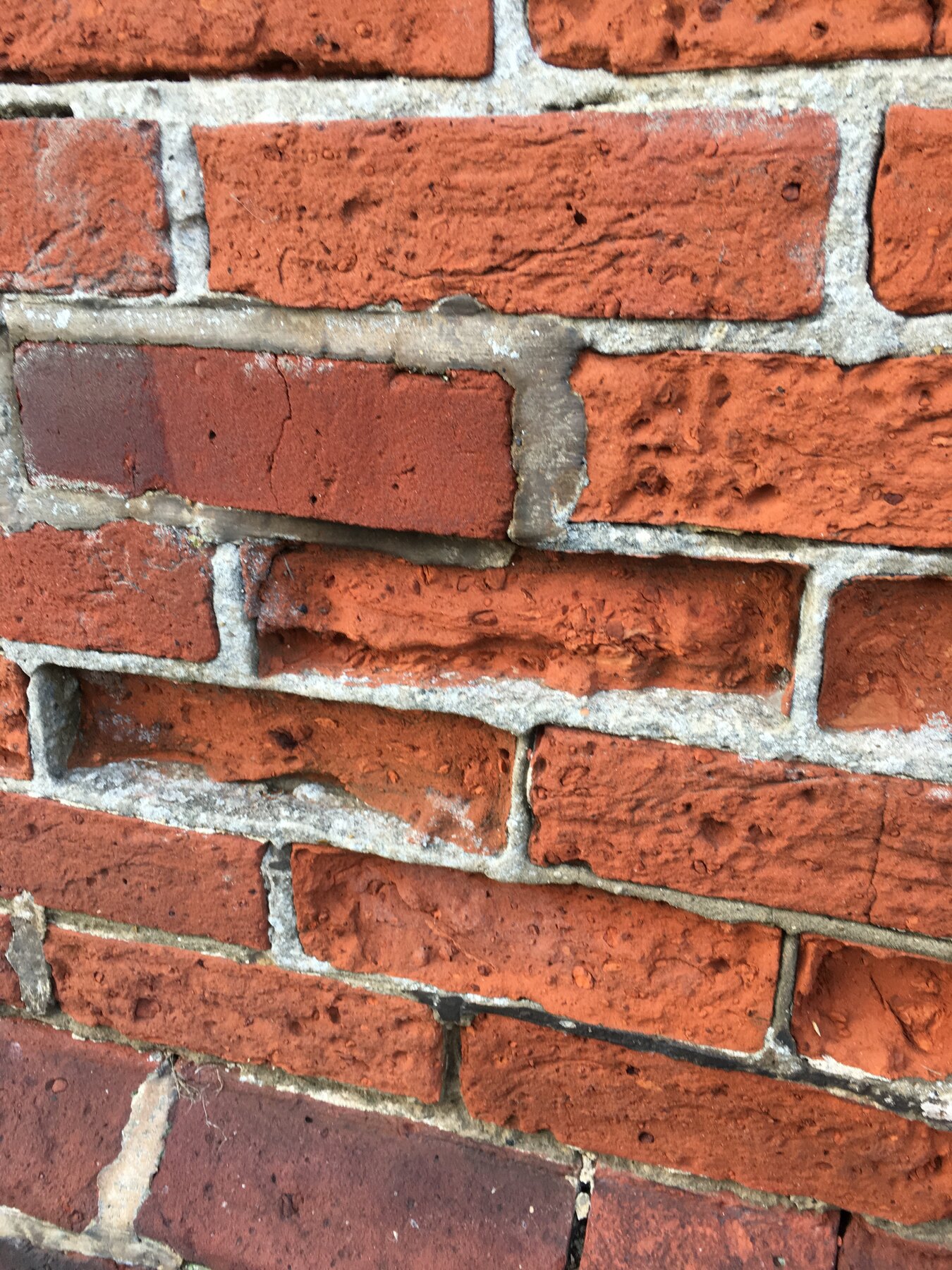
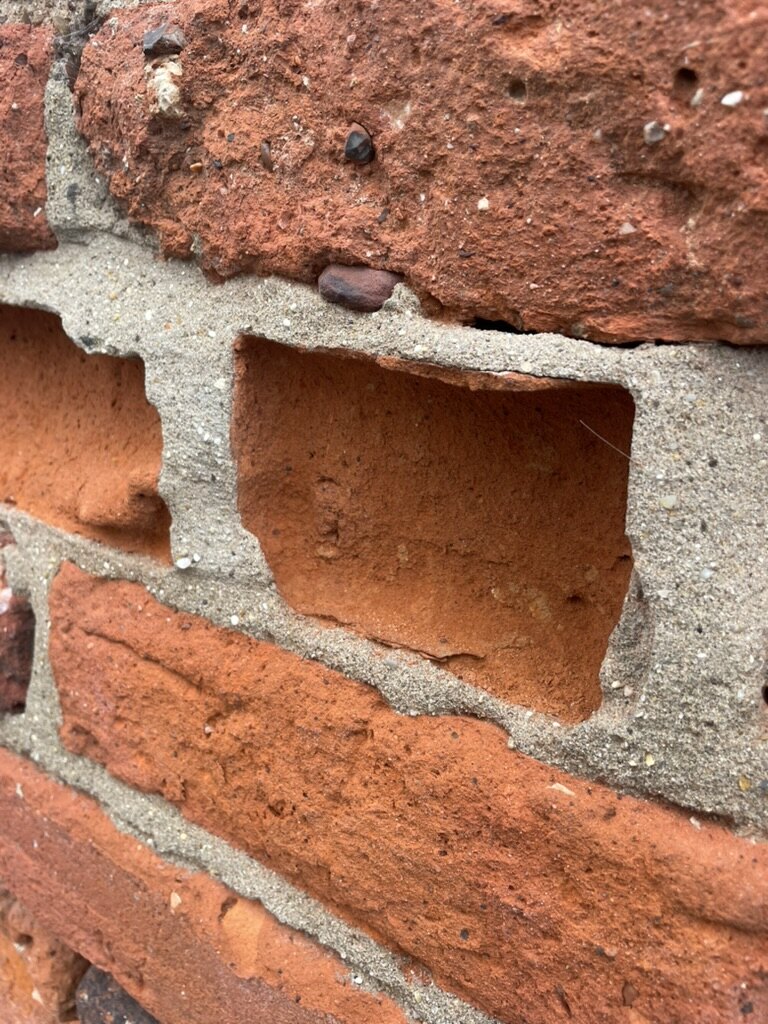
Selfish cement
Dense, cement-rich pointing restricts evaporation through the joints and shifts drying towards the softer brick faces. As moisture evaporates, dissolved salts crystallise inside the brick. The growing crystals put pressure on the brick. When that pressure breaks away the brick face, the damage is called spalling.
Repeated freezing and thawing also damages wet brickwork. The brick faces flake and crumble while the hard cement pointing stays in place.